The Gonstead Method & the Webster Technique
Two specific systems, both built on the same idea: find the exact problem before you touch anything.

 Nevada’s First Gonstead DiplomateAlso the only Gonstead Diplomate listed in the state
 WebsterCertified through the ICPA
Gonstead
Specificity Is the Whole Point
The Gonstead Method is a highly specific chiropractic technique that emphasizes accuracy in detecting and correcting vertebral subluxations. Developed by Dr. Clarence Gonstead, it uses thorough analysis and clinical evaluation to deliver targeted adjustments that support the spine and nervous system.

Dr. Clarence Gonstead
Exact, Every Time
The practical consequence: fewer segments are adjusted, less force is used, and care can be safely scaled down to the small spine of an infant or adapted around a third-trimester belly.
Dr. Rhee chose Gonstead for its precision. That precision is exactly what makes it appropriate for pediatric and prenatal patients.
Gonstead rewards a particular kind of doctor: one with the training, experience and patience to be exact every time. Precision is the whole point, and it depends on the person delivering it.
Nothing Is Adjusted Until All Five Agree
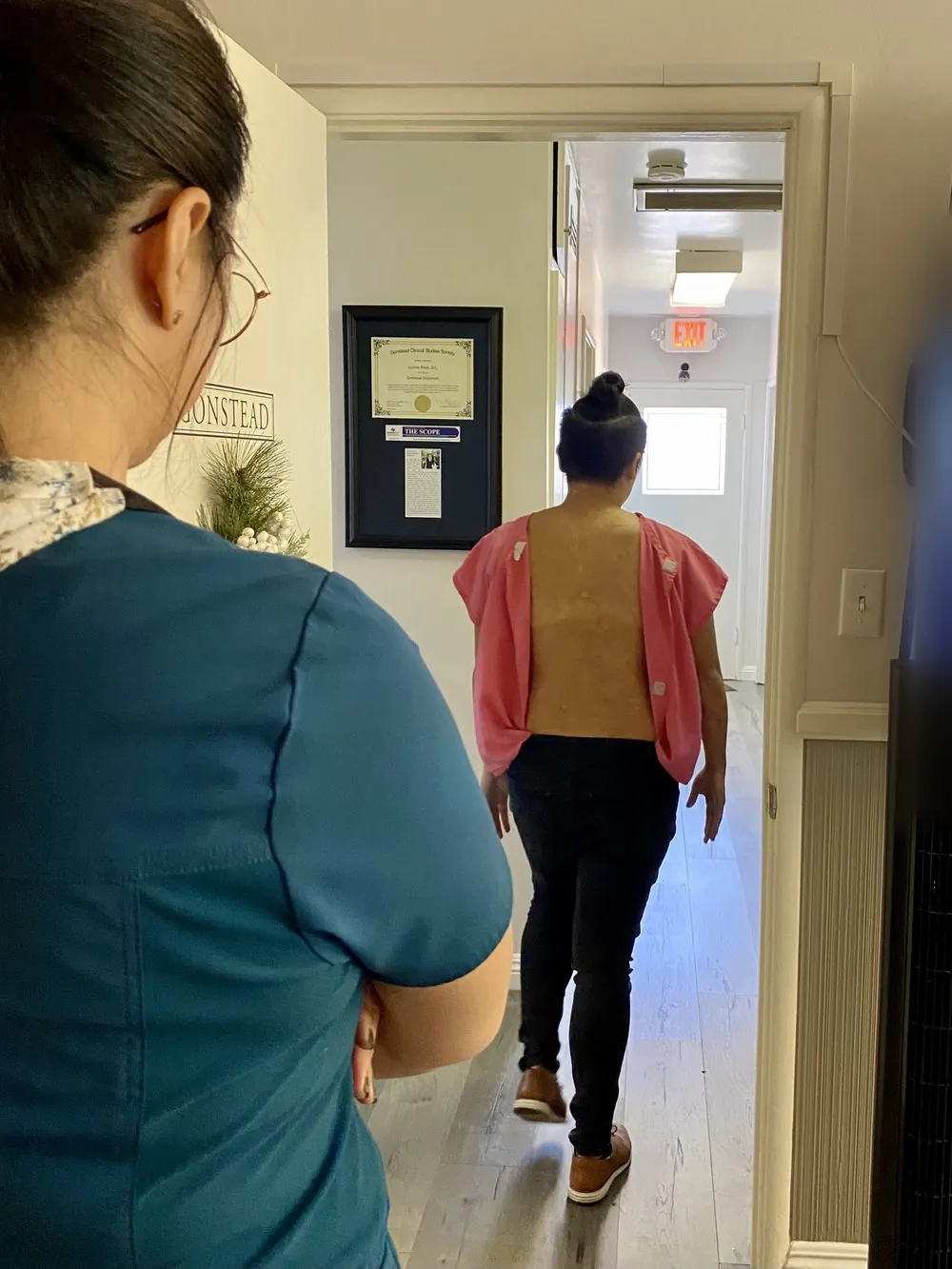
Visualization & Observation
Posture, stance, gait and visible asymmetry are assessed before any contact is made.
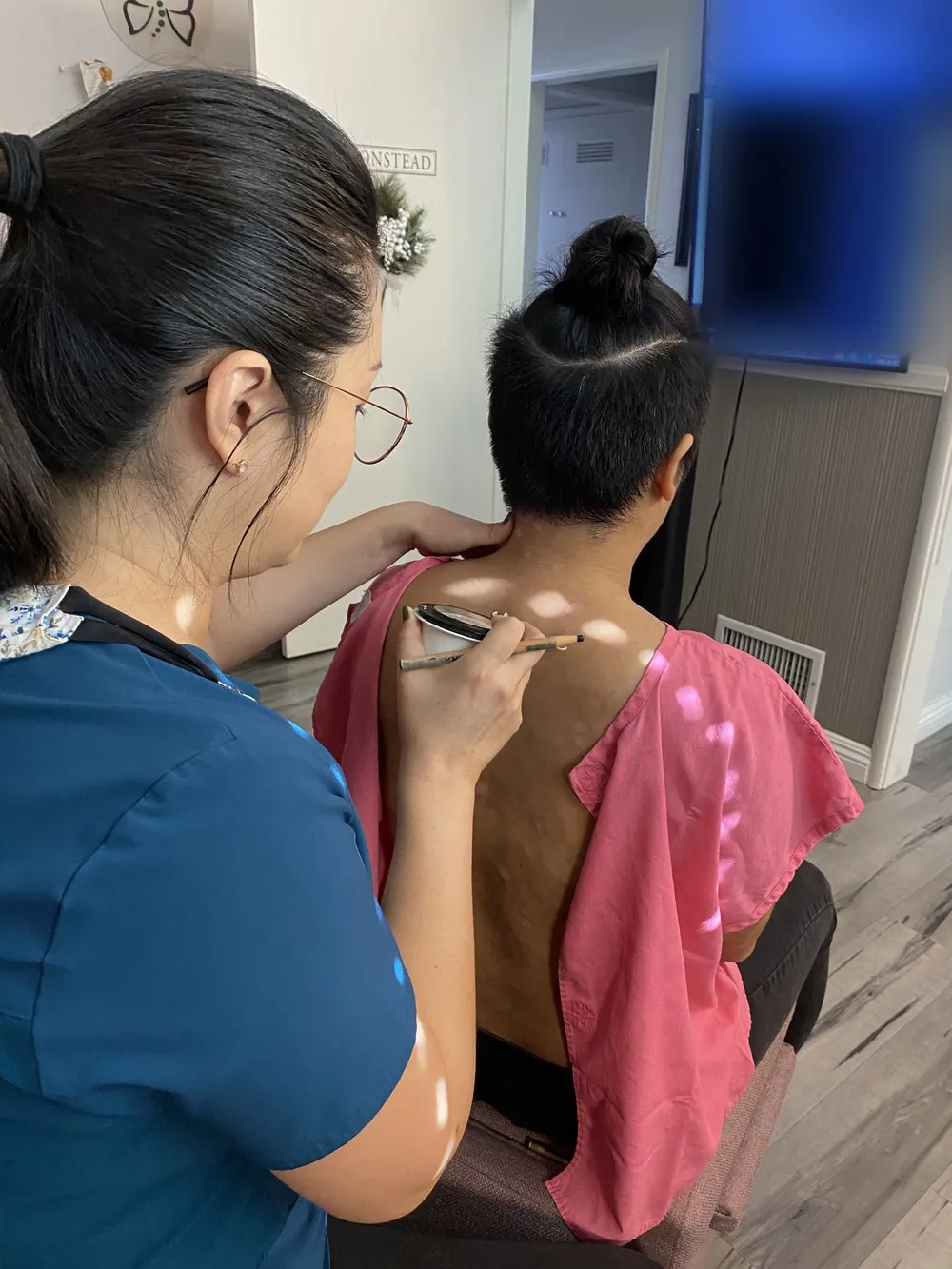
Instrumentation
The Nervoscope, Tempo-scope, Delta-T and Electrical Conductivity Scanner measure temperature differentials and nerve activity along the spine, indicating inflammation and irritation.
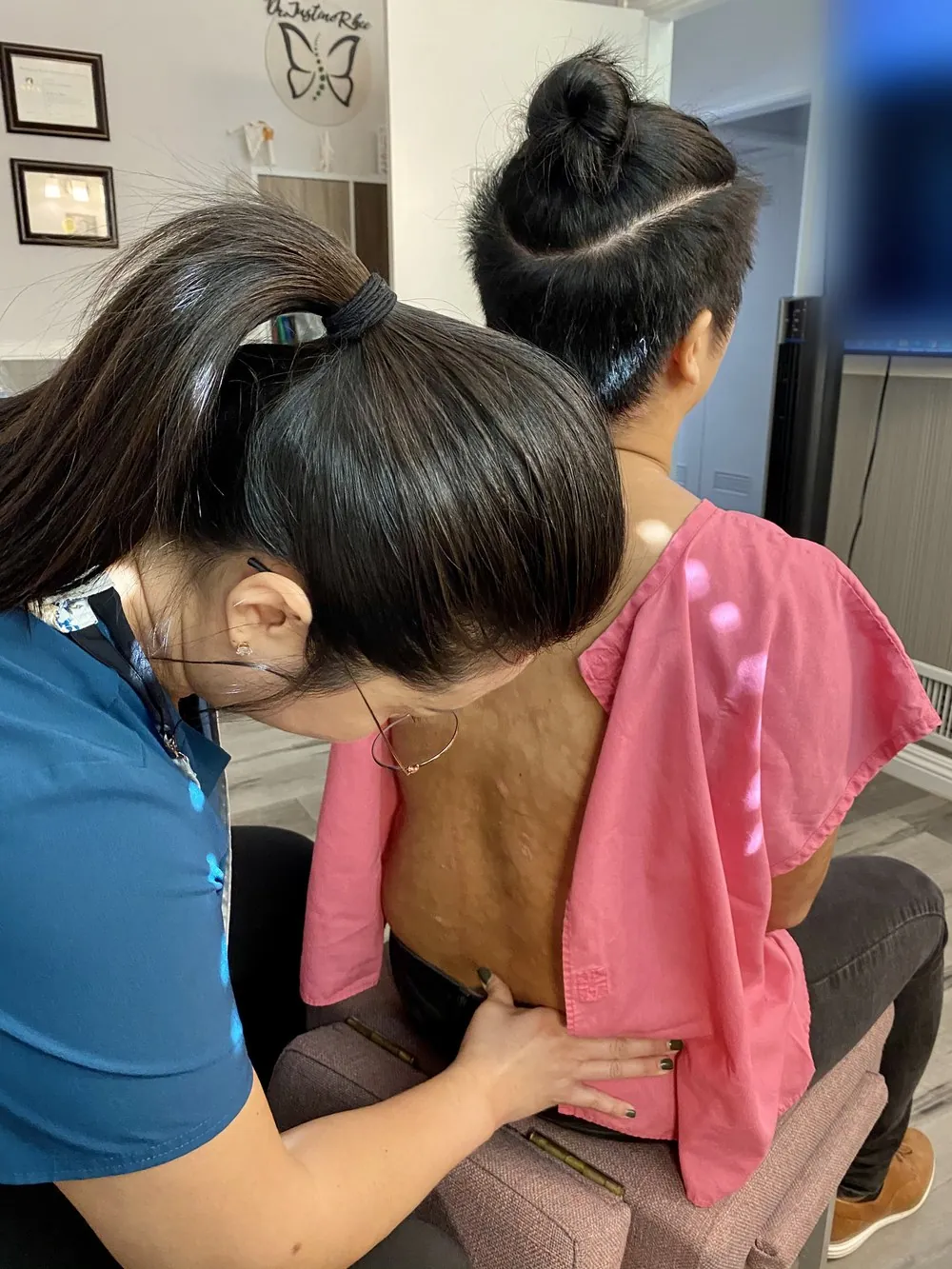
Static Palpation
Feeling directly for alignment, tenderness, swelling and tissue change while you are at rest.
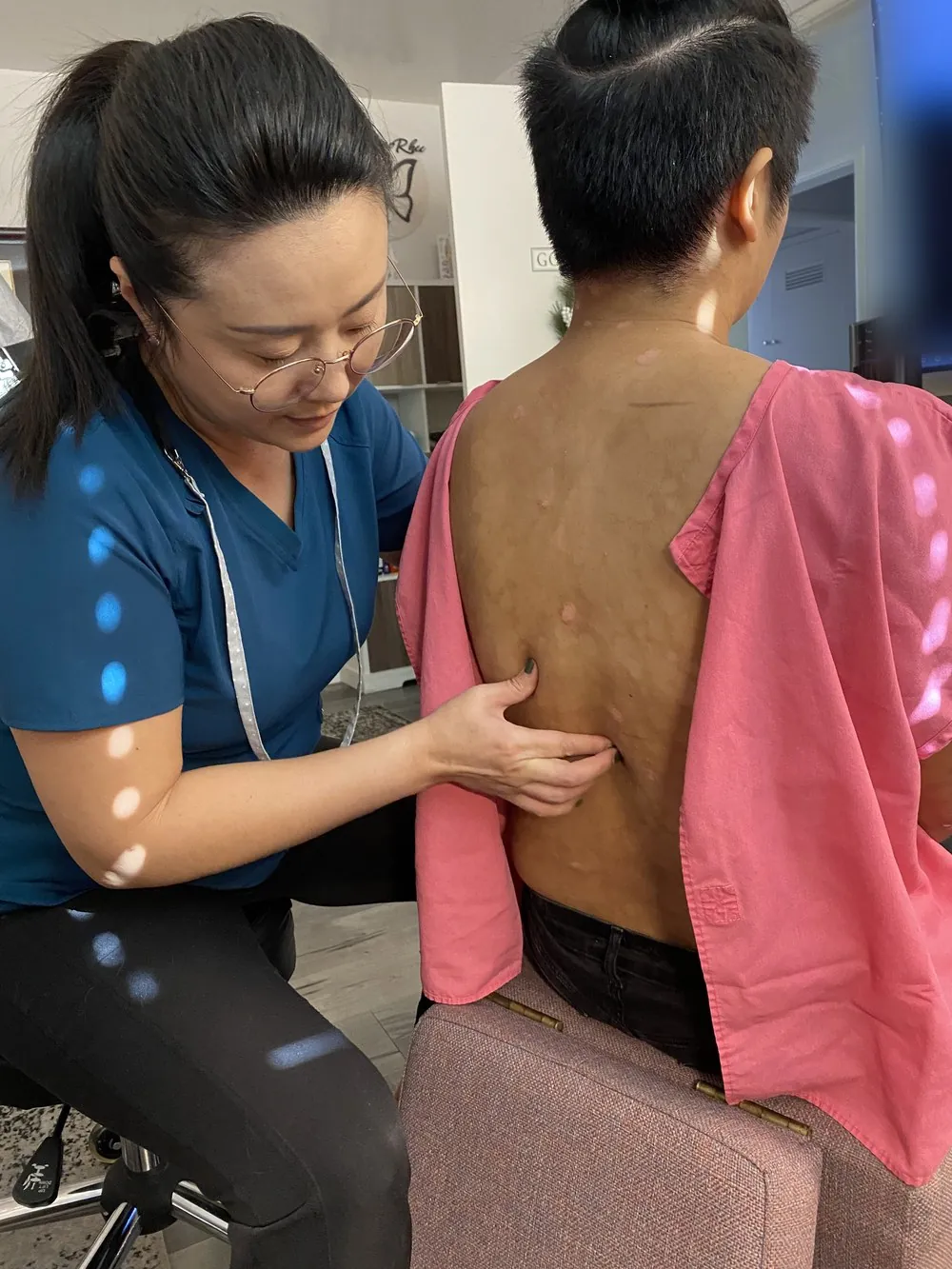
Motion Palpation
Assessing how each vertebral segment moves individually, and identifying exactly where movement is restricted.
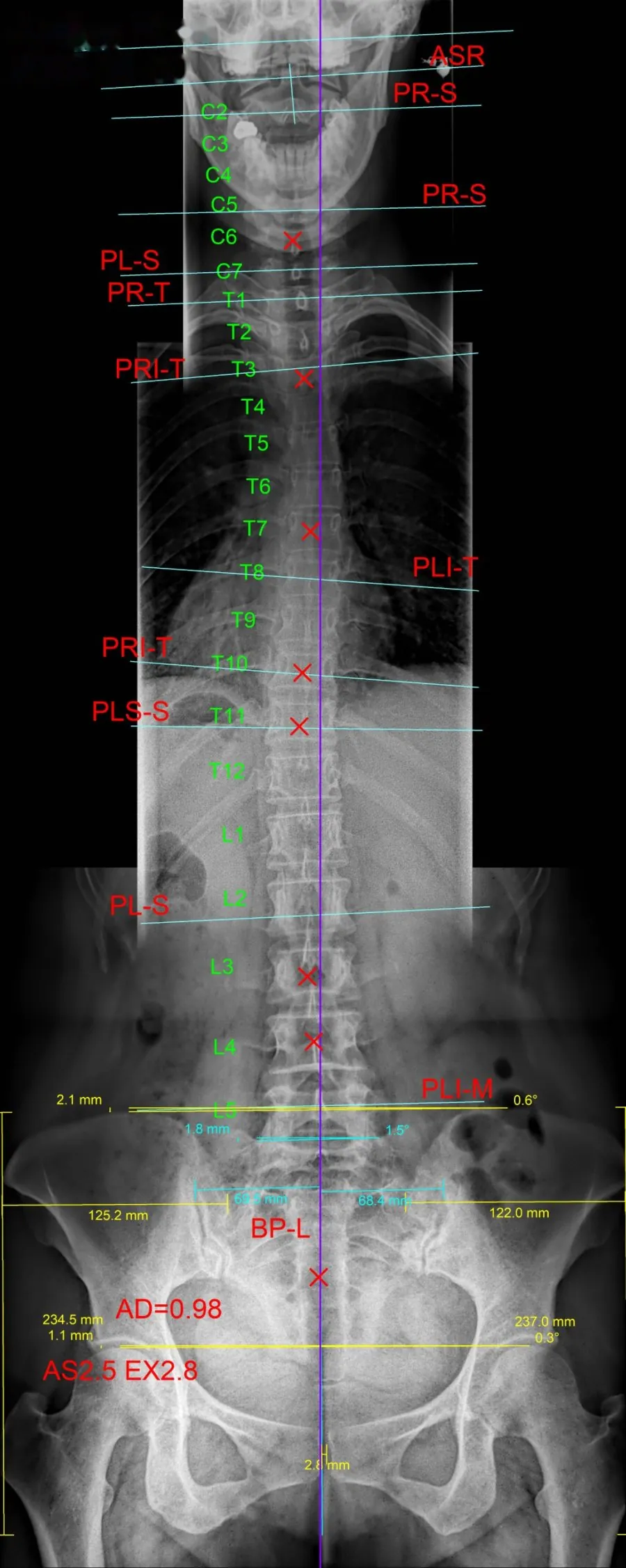
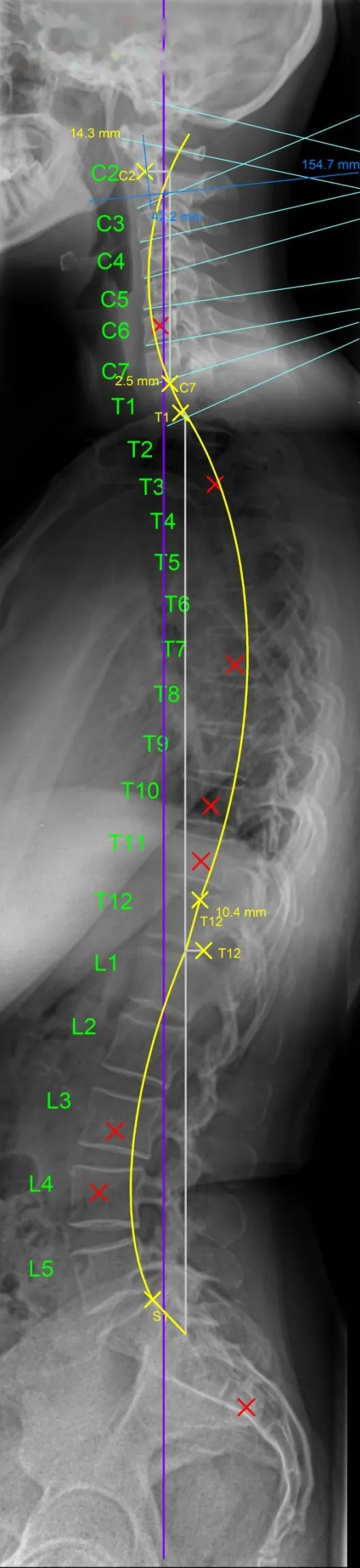
X-Ray Analysis
Full-spine radiographs when clinically indicated, to assess structural integrity, disc spaces and pelvic positioning. Never during pregnancy, and not routine for children.
The Instruments
Tempo-scope, Nervoscope and Delta-T detect and measure temperature differences along the spine, indicating inflammation and helping identify areas of restriction and postural imbalance.
Dr. Rhee is specially trained in the Electrical Conductivity Scanner (ECS), a rare skill even among Gonstead doctors. It gives a sensitive read of spinal nerve activity and helps pinpoint which nerve roots are irritated.
Why Full-Spine X-Rays Differ
Conventional medical imaging usually focuses only on the painful area. A Gonstead full-spine film shows the whole structure (vertebral alignment, disc spaces and pelvic positioning), because the cause is frequently not where the symptom is.
- Precise correction: the detail needed for accurate adjustment direction and level
- Customized care: adjustments tailored to your actual spinal structure
- Safety: confirms the correct direction of force before it’s applied
WebsterThe Pregnancy-Specific Technique
The Webster Technique is a specific chiropractic analysis and adjustment developed to support pelvic alignment and function during pregnancy. It is recognized by the International Chiropractic Pediatric Association and is widely used to support maternal comfort, reduce nerve stress and encourage optimal fetal positioning conditions.
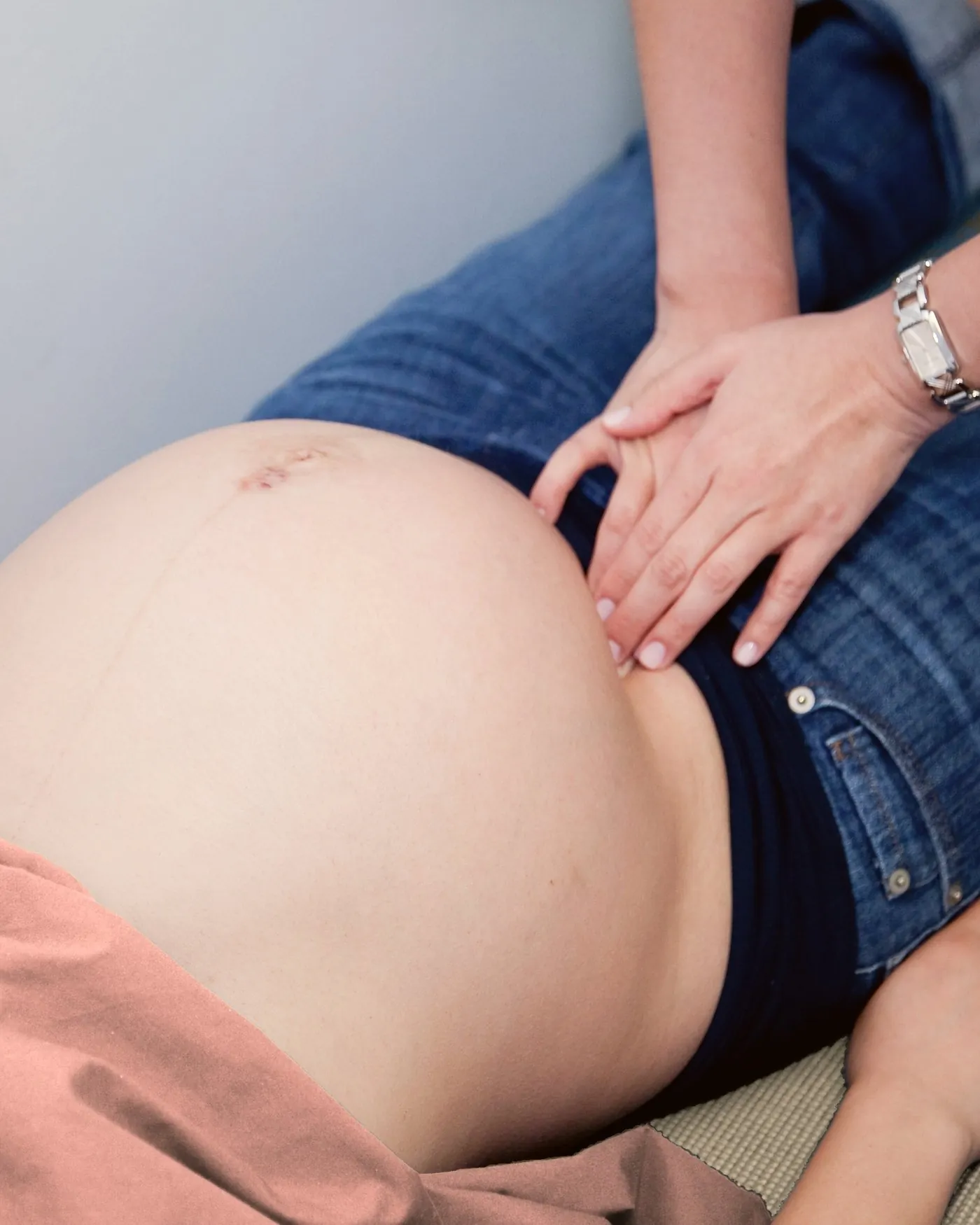
Pelvic Balance
Webster’s focus is pelvic balance: balancing the soft tissues of the pelvic floor and pelvis, most importantly the round ligament.
Said plainly: Webster does not turn the baby. It helps create the right environment, so your baby has the room to move into its own best position for birth.
What the Analysis Covers
Pelvic & Sacral Assessment
Sacral subluxation, pelvic asymmetry, ligamentous tension and muscular imbalance.
Neurological Support
Gentle adjustment to relieve stress on the nervous system.
Stage-Specific Modification
Technique adapted to each trimester for the safety and comfort of mother and baby.
Fetal Position Conditions
Balancing the pelvis and reducing uterine tension to create the best possible environment.
Postpartum Carry-Through
Alignment maintained through pregnancy supports recovery afterward.
Read It for Yourself
We’d rather you check than take our word for it.
“Dr. Rhee was amazing in explaining everything and she truly shows how much she cares. First adjustment was beautiful and I like she does less is more.”
Curious Whether This Fits You?
Start with the complimentary 20-minute phone consultation. Bring the skeptical questions, they’re the good ones.
Or call 725-250-2699 · Complimentary 20-minute phone consultation available